

Asia Pacific smart retail market to hit USD $198.16B by 2034
Mon, 7th Jul 2025
The Asia Pacific smart retail market is projected to experience significant growth, with its value expected to reach USD $198.16 billion by 2034 at a compound annual growth rate (CAGR) of 31.3%.
Defining smart retail
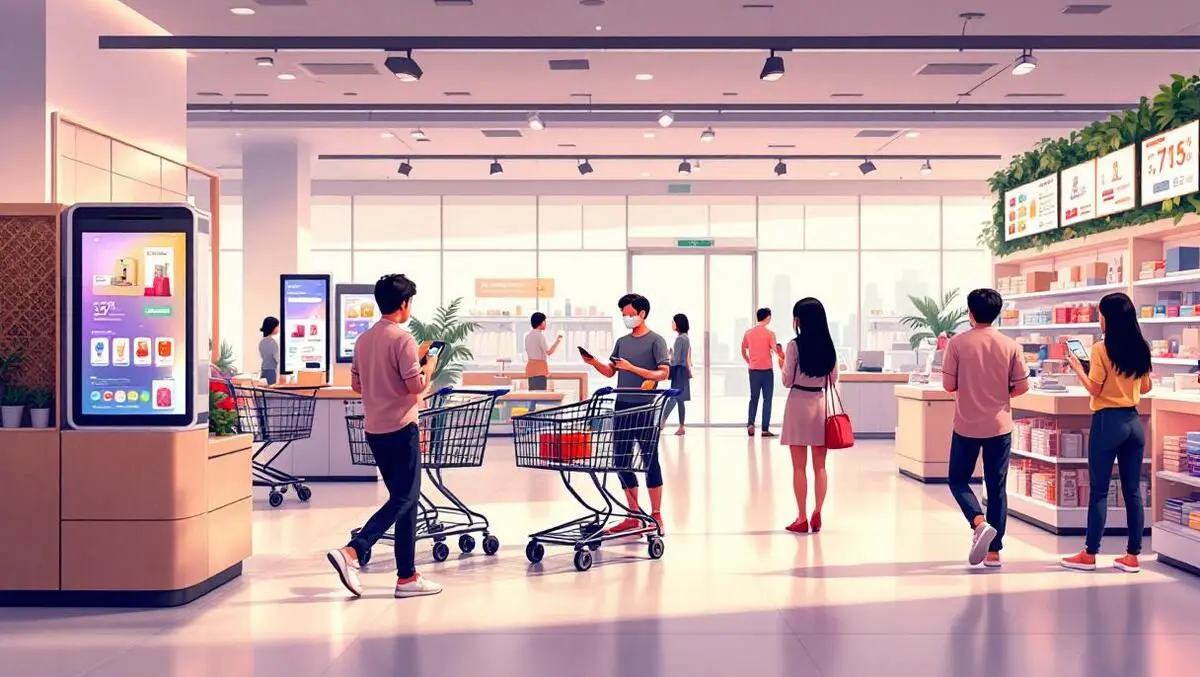
Smart retail refers to the integration of advanced digital technologies into traditional retail operations, aiming to create a more efficient, personalised, and data-driven shopping experience. Key components include artificial intelligence (AI), Internet of Things (IoT), big data analytics, augmented reality (AR), mobile applications, and cloud computing.
This approach optimises various segments of the retail value chain, including inventory management, customer engagement, checkout, and delivery. Smart retail systems facilitate real-time tracking of consumer behaviour and predictive analytics, enabling better stocking and merchandising decisions. The use of cashier-less checkouts and digital wallets also allows for seamless transactions.
Report insights
According to Polaris Market Research, the Asia Pacific smart retail market was valued at USD $13.05 billion in 2024. Strong growth is expected through to 2034, driven by demand for hardware smart retail solutions that enhance operational efficiency and improve customer experiences.
The report highlights that India is predicted to witness significant adoption of smart retail solutions, due to an expanding digital infrastructure and increasing consumer preference for online and mobile shopping.
Drivers of market expansion
The growth in the market is attributed to several key factors. High smartphone and internet penetration across the region, especially in countries like China, India, and Indonesia, has built a large mobile-first consumer base. Many consumers interact with retailers through mobile applications, QR codes, and digital wallets, while the widespread adoption of mobile payments has accelerated the move towards contactless and data-driven retail models.
Omnichannel retailing is another major trend. Consumers increasingly expect a seamless experience, whether shopping in-store, online, or via mobile apps. Smart retail platforms unify sales, marketing, and inventory data, with features such as click-and-collect and virtual try-ons helping retailers maintain consistency in customer experience. This is especially notable in Asia Pacific where social commerce and live-stream shopping are gaining ground, combining physical and digital commerce in new ways.
Government digitalisation initiatives also provide support for the smart retail sector. National agendas focused on digital transformation—such as China's Smart City initiative and India's Digital India campaign—are promoting investments in technology. These initiatives incentivise the adoption of digital point-of-sale systems and electronic payment platforms, which are foundational to the smart retail ecosystem.
Core technologies
The future of smart retail in Asia Pacific will be shaped by several key digital technologies. AI and machine learning (ML) allow retailers to forecast demand, optimise pricing, and better manage inventory, while also offering personalised recommendations to consumers.
The Internet of Things enables real-time product tracking and automatic stock replenishment through smart shelves and RFID tags, facilitating targeted promotions. Smart point-of-sale and self-checkout systems, including cashier-less technology and QR code scanners, streamline the payment process and generate valuable transaction data for retailers.
Augmented and virtual reality tools are also being adopted across the region, providing virtual try-on experiences, 3D store tours, and immersive product demonstrations, particularly in the fashion, cosmetics, and furniture sectors.
Emerging trends
Several trends are expected to influence the development of the Asia Pacific smart retail market. Automated, app-based summaries are replacing traditional paper receipts, while mobile payments are being increasingly integrated with loyalty programmes and real-time personalised offers.
The shift towards sustainability and ethical retailing is apparent, with smart systems being used to optimise energy consumption, track product sourcing, and encourage low-carbon delivery options. These developments align with the expectations of environmentally conscious consumers.
Investment in hyperlocal fulfilment, such as dark stores and micro-fulfilment centres, is on the rise. These facilities leverage automation and AI for efficient inventory and logistics management and are intended to meet consumer demand for faster delivery services.
"The Asia Pacific smart retail market has experienced significant growth in recent years. From AI-enabled merchandising to autonomous checkout, the smart retail ecosystem is unlocking new value across every touchpoint. As competition intensifies, companies that can deliver seamless, data-driven, and sustainable retail experiences are expected to emerge as leaders in the coming years."