Climate change stories
The deal with leading vehicle financing platform Splend will see the first 500 of their new electric vehicle fleet arrive on New South Wales roads.
EXA has launched the next-generation product carbon footprint solution to deliver a data-driven approach to decarbonising global supply chains.
The top three sustainability practices are reducing paper usage (46%), digital document storage and management (43%), and curbing electricity consumption (37%).
Establishes the Equinix Foundation, an employee-driven charitable organisation, to advance digital inclusion through grants and strategic partnerships.
Salesforce has introduced the Net Zero Marketplace to make carbon credit purchases simple and transparent, aiming to scale the climate-positive impact.
The partners will develop hydrogen fuel technologies for green data centres in tropical climates, and for use in Equinix's global network.
SAS recognized for its sustainable practices and social good initiative using AI to combat deforestation in the Amazon.
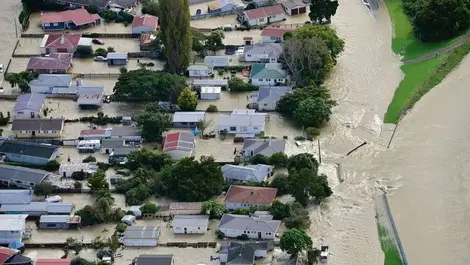
Most New Zealanders want flood-risk homes disclosed, as a survey warns opaque climate messaging could damage trust across property markets.
Industry says the response is only a first step, as ministers face pressure to turn a 30-year plan into concrete infrastructure action.
An alternative deck-on-pile design for Eastland Port's Wharf 7 has cut new piles by half and avoided 593 tonnes of carbon dioxide.
Additional Cook Strait freight capacity is secured for the pre-Christmas rush after KiwiRail exercised an option to buy Valentine for GBP £8.6 million.
New rules are set to speed up consents and cut costs for infrastructure, as the Government scraps the 30-year-old Resource Management Act.
Tech firms are warning that rising demand for cloud services will worsen New Zealand’s shortage of skilled IT staff as hyperscale centres expand.
Rental-home developers are set to gain retroactive relief from interest deduction limits, with 10-year leases required to qualify.
Consumers are paying more at the pump after New Zealand lost its only refinery and became reliant on costly imported fuel.
Bailey Gair's election signals a shift in New Zealand's civil construction sector, as sustainability and climate resilience rise up the agenda.
The tax break leaves motorists with little relief while costing New Zealand more than GBP £500 million and delaying cleaner transport investment.
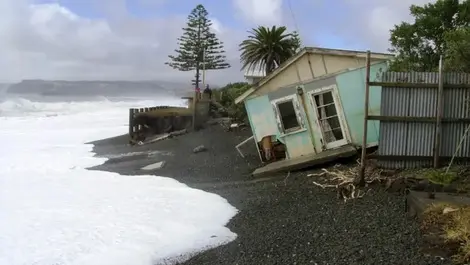
Experts say the government’s adaptation plan may leave councils and vulnerable communities exposed to worsening floods, heat and sea-level rise.
Judges are increasingly forcing ministers to explain climate plans, after Britain’s net zero strategy was found to breach the Climate Change Act 2008.
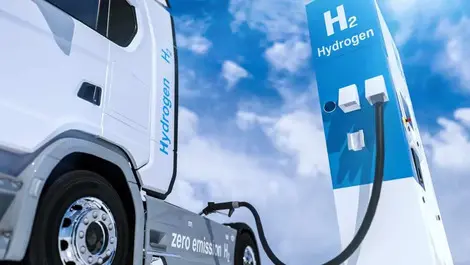
This could cut emissions by up to 40% as New Zealand’s biggest heavy transport fleet starts trialling on-site green hydrogen refuelling.