Deepfakes stories
Jumio has released its 2023 Online Identity Study, the second instalment of its annual global consumer research, conducted by Censuswide.
Deepfake technology can be used maliciously or with unethical intent, and this means deepfakes are a potentially dangerous tool.
As of 2022, roughly 68% of all global organisations have fallen victim to at least one ransomware infection. Sadly, that figure will continue to rise in 2023.
Norton research predicts that economic pressures in 2023 will create the perfect environment for cyber scammers to exploit vulnerable individuals.
VMware's Global Incident Response Threat Report reveals increased cyber attacks amid pandemic disruptions and geopolitical events.
Cybersecurity professionals will face increasing pressure in 2022 as attacks escalate, compliance becomes more challenging, and insurance costs rise.
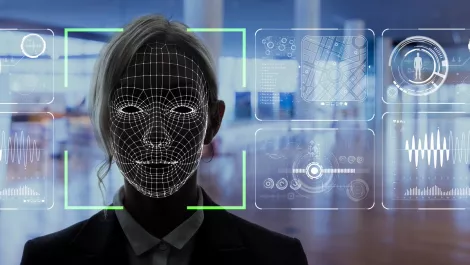
Deepfakes, videos that replace a person's face with someone else's using AI, raise concerns over morality, legality, privacy, and online harm.
Millennials and Baby Boomers in South East Asia are afraid of deepfakes and wary of future technologies, according to research by Kaspersky.
The 2020 Future Cyber Threats report by Accenture highlights six extreme threats to the global financial services sector. Here are four of them.
The researchers have trained machine learning algorithms to detect deepfake videos based on the dissimilarity in patterns between the audio and visual cues.
Hackers are increasingly using AI to replicate voices, tricking individuals into transferring funds. Businesses must adopt a trust but verify approach.
As deepfakes become more convincing, experts turn to deep learning to detect AI-manipulated videos, countering the rising threat of misinformation.
A new report by Malwarebytes reveals the darker side of AI, highlighting how cybercriminals exploit AI's vulnerabilities for sophisticated attacks.
Adobe, in collaboration with UC Berkeley, unveils AI tech that identifies Photoshopped faces with 99% accuracy, intensifying the battle against digital fakery.
With Australians falling victim to scammers with $3.1 billion lost in 2022 alone, it has never been more important to foster a safe IT environment.
Norton says between January and March of this year, it thwarted more than 37,098,261 threats, the equivalent of around 403,241 threats per day.
Deepfakes present a mounting challenge, with a new study urging comprehensive assessment of existing laws before crafting new regulations to tackle the issue.