Digital Economy stories
The milestone underlines Selangor's push to widen digital support, financing and training for micro-businesses across the state.
Indonesia's digital skills gap is fuelling demand for practical cyber and AI training, as firms struggle to hire workers.
Finance teams across Southeast Asia could cut reconciliation delays as fragmented payment data makes manual matching slower and riskier.
Businesses in the Philippines may face higher costs and slower sites as AI-generated internet traffic rises 30% in five months, Fastly said.
A Southland data centre project has moved ahead as Transpower secures long-lead equipment to help Datagrid meet a late-2027 commissioning target.
The chat-based tool aims to cut the steps between opening m10 and paying bills, as digital payments gain ground in Azerbaijan.
The expansion could bolster Donegal's labour market as demand for AI and data centre infrastructure drives up global manufacturing needs.
Regional mobile services generated USD $1 trillion in economic value in 2025, but growth now hinges on AI, trust, resilience and sovereignty.
Households should avoid higher power bills as Ontario proposes a playbook, including new data centres, to cover the full cost of electricity.
Australian small businesses will be able to query MYOB financial data in Claude and ChatGPT, including overdue invoices and profit figures.
Gamers face higher prices and less secure ownership as Sony and Microsoft move towards digital-only releases by 2028.
Technical roles are still expanding across Australia even as employers adopt AI, with regional jobs growing faster and early-career hiring holding up.
Growing use of cloud and AI is driving demand for local processing, as the sector warns New Zealand risks relying on offshore systems.
Consumers and businesses will be able to move money in seconds outside banking hours when Payments Canada launches the RTR next quarter.
Students will learn to work with AI tools across multiple industries as New Zealand broadens senior secondary options to match labour-market demand.
New Zealand's tech growth is being constrained by a deepening talent shortage, with firms struggling to fill AI, cyber and cloud roles.
Mumbai's 774 MW of live IT capacity puts it among the world's major data centre hubs, while Hyderabad's pipeline points to faster growth.
Fintech leaders, regulators and investors will gather in Melbourne as the sector seeks clearer policy settings to unlock growth and funding.
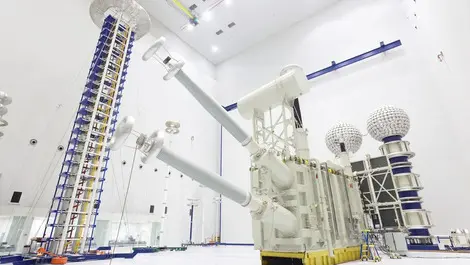
Supply bottlenecks for transformers could delay new data centres as Australia's AI boom intensifies pressure on the power grid.
Banks risk being blindsided by new digital finance firms that are already moving money faster and attracting users beyond the old model.