Identity Theft stories
The new service aims to curb AI-driven identity fraud while speeding up checks that often drive genuine users away.
Scam losses are rising faster than human fraudsters alone can explain, with AI-enabled cases in the US already topping USD $900 million.
Rising use of digital payments is forcing fintechs to tighten controls as executives warn that weak access, AI and fraud defences are exposing customers.
Customers may get tighter checks and fewer fraud risks as Deel folds Clarity's identity-verification tools into its hiring platform.
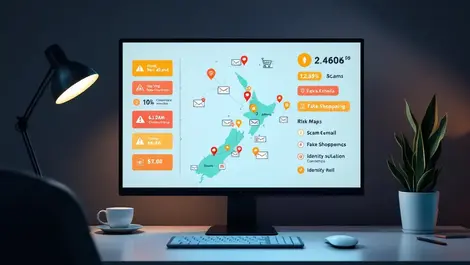
Consumers can now track scams, identity risks and cyber threats by country through a new global index that monitors daily changes across 245 countries and territories.
AI-driven phishing is heightening risks for Japanese organisations as Doppel expands locally and bolsters its response with a seasoned cybersecurity executive.
Fintech lenders and banks face rising losses as AI-generated statements and identity files slip into automated onboarding before manual checks.
Phishing-resistant logins could curb account takeovers that let criminals tamper with tax data, refunds and audit trails across firms.
Nearly 25 per cent of newly observed domains were high-risk, underscoring how AI and rented infrastructure are making attacks harder to detect.
Automated requests now make up most web traffic, raising costs for sites and sharpening fears over AI-driven fraud and phishing.
Rising smartphone fraud is pushing banks, insurers and telecoms to add scam protection without building it in-house.
Windows users face session theft risk as MedusaHVNC lets attackers operate in hidden browser desktops using existing cookies and log-ins.
Businesses in New Zealand can now verify wallet-held IDs on one integration, with age checks possible without revealing full identity.
Defenders facing faster credential theft and account takeovers now have a free, hands-on way to practise dark web intelligence before an incident escalates.
Rising online fraud and a 2027 digital assets regime are pushing banks and fintechs to upgrade infrastructure as adoption accelerates.
Australians lost GBP £1.1 billion to scams last year, underscoring how banks now must protect customers' identities as well as their systems.
Small firms may miss basic cyber gaps as a free self-check from MY CYBER GUARD flags weak passwords, patching and backup risks.
The ranking reinforces Incode's pitch to banks and platforms seeking faster checks as deepfakes and synthetic identities raise fraud risk.
A recent government breach has exposed a wider gap in cyber awareness, with stolen personal data sold online for as little as GBP £5.
Customers face heightened scam risks as Origin Energy investigates claims that a hacker accessed two million records and alerted regulators.