Intellectual property stories
A growing share of trademark teams are using AI only with human oversight, as enforcement work takes up more resources and budgets rise.
Startups across 35 markets can win funded pilots with L'Oréal as beauty brands seek AI, creator and circular-economy tools.
With Q-Day seen as years away, most large firms in Germany and the US are already moving to quantum-resistant encryption.
Australian employers face privacy, dismissal and confidentiality exposure as staff use AI without training or clear rules, lawyers warn.
Brands facing counterfeit listings can now automate removals on marketplaces, where fraud is rising and average losses reach USD $10.2 million a year.
Enterprises could gain cryptographic checks for AI agents, models and media as DigiCert adds a trust layer across its platform.
Cloaking drove 68.1% of account suspensions in the quarter, showing how fraudsters are hiding banned ads from moderators on the platform.
Small defence contractors are left exposed as state-backed hackers spend years mapping supply chains and laying covert access routes before striking.
Businesses are racing to upgrade defences as Yubico says quantum computers could expose banking, health data and other records within years.
The new tool gives Copilot access to enterprise file stores without opening up records beyond existing permissions, cutting governance risk for users.
AI developers may gain harder-to-find rights-cleared material as Troveo adds audio, text, gaming and robotics data to video.
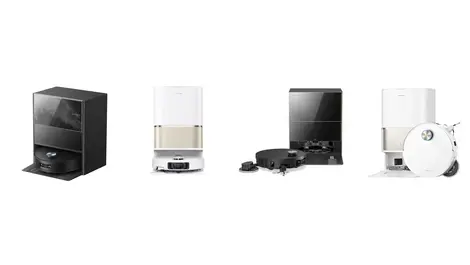
The launch signals Dreame’s push beyond robot vacuums, with new appliances designed to share its bionic robotic arm system across the home.
The funding gives the Vancouver quantum group fresh capital to hit milestones, expand hiring and deepen partnerships as it pursues commercial-scale systems.
Ottawa is courting private backers to expand domestic AI capacity, with no funding yet committed for the British Columbia project.
Resilience, trust and local language support are emerging as the priorities as Indian founders and marketers push AI deeper into daily business needs.
Worries over cyberattacks, bias and weak data systems are driving calls for AI rules that protect trust, jobs and security.
Due diligence is speeding up as purpose-built AI data rooms cut manual review and help buyers and sellers handle complex transactions faster.
A lack of visibility is leaving many European organisations unable to tell whether AI-powered attacks have already breached their systems.
Counterfeit pharmacies were already selling the obesity treatment online before approval, exposing Eli Lilly to brand theft and patient safety risks.
The AUD $490 million Waterloo precinct is set to ease Sydney’s lab space shortage as it moves into delivery with major global partners.