Logistics stories
Rising delivery pressure is pushing Singapore SMEs to use AI and automation, with 48% already doing so as logistics costs stay under strain.
The move could help robotics firms test and scale machines in real warehouses, while easing customs, storage and delivery bottlenecks overseas.
Retailers and distributors are being offered tighter control over inventory, cancellations and fulfilment costs as Blue Yonder adds AI agents to order management.
The retailer can now serve customers in seven countries through one cross-border model, reducing the need for local legal entities and separate systems.
Organisations in regulated sectors could gain productivity without losing oversight as the platform embeds governed AI into existing workflows.
Pressure on fleet operators to improve safety and compliance is driving Microlise's regional push as it expands sales across Australia and New Zealand.
Businesses could soon see gains from quantum computing, with Fujitsu saying utility-scale systems may arrive within five years and 5% route savings already found.
A US importer of Southeast Asian foods could trim a material freight expense to near zero within months after deploying Beacon's software.
Partners in five launch markets will gain access to KUKA's autonomous mobile robots as TD SYNNEX pushes into industrial automation.
The initiative aims to give supply chain teams practical guidance on agentic AI, as large firms seek to link planning, sourcing and inventory decisions.
Six in ten customer organisations are already fielding autonomous bots, forcing service teams to tighten oversight as AI-to-AI requests become routine.
The startup says its simulation tool could cut costly robot training and reduce the risk of damaging machines before deployment in factories and warehouses.
Cold-chain weaknesses are wasting at least $3.8 billion of food a year in Australia, with transport delays and handling gaps posing the biggest risks.
Employers in safety-critical industries can now monitor skills, certifications and assessments in one system to spot gaps before deployment.
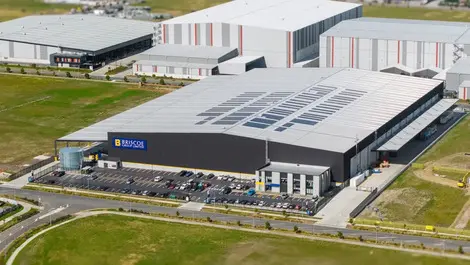
Store shelves should stay fuller as Briscoe Group shifts more stock into a larger Drury hub and cuts excess inventory across its chain.
Higher Auckland land costs are pushing warehouse operators to boost pallet capacity inside existing buildings, with some projects adding about 5,000 positions.
Higher freight and tariff shocks in 2026 left Australian exporters exposed, but firms with backup suppliers and connected systems were better placed to absorb them.
Dedicated leadership on the ground is intended to help Lancom deepen Australian customer ties and expand its footprint in a market set for growth.
Long-term planning can cut freight, inventory and disruption losses for FMCG firms by avoiding design mistakes that short-term fixes miss.
The four-person finance team now handles work once done by eight, as invoice throughput at Custom Goods Logistics has nearly doubled.