Medical Device stories
Australis Scientific wins MedTech Innovator Asia Pacific Grand Prize and USD $175,000 for ConfidanzTM, a wearable device treating overactive bladder at home.
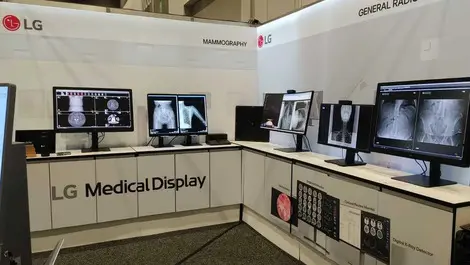
LG Electronics Australia unveils advanced medical-grade displays designed to enhance accuracy and efficiency across diagnostic, surgical, and clinical healthcare settings.
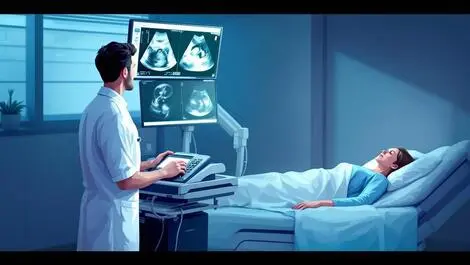
DeepHealth secures FDA clearance for TechLive, a remote scanning system now supporting ultrasound, enhancing efficiency amid rising radiology workloads.
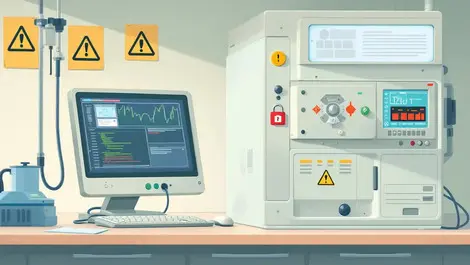
Claroty partners with Google Security Operations to enhance threat detection and response across IT and operational technology environments.
Huma has launched Hi Scribe, an AI tool automating clinical note-taking and billing, now used in 870 practices serving 10 million patients globally.
The global market for digital wound measurement devices is likely to reach US$3,293.3 million by 2033, expanding at 3.8% CAGR over the next ten years.
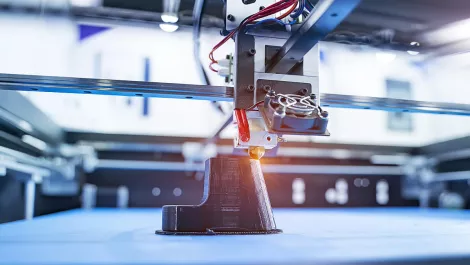
HP harnesses 3D printing to supply hospitals battling COVID-19 with essential equipment. Over 1,000 parts delivered; plans for global distribution.
The global cybersecurity market is set to soar to USD $143 billion by 2021, driven by increasing threats to connected medical devices, says GlobalData.
SecurityBrief talked with LogRhythm senior malware analyst Erika Noerenberg about vulnerability exploitation, malware, and the Internet of Things.
Ensuring that each and every one of these devices is running 24/7 is crucial to preventing delays in patient treatment.
Healthcare organisations around the world may be using medical devices that come with serious cybersecurity risks.
Manufacturers are boosting quality and efficiency by switching to single-controller systems that streamline complex production and data integration challenges.
Nearly all Canadian healthcare IT leaders rely on legacy systems, raising risks of security breaches and operational disruptions in patient care.
An AI physiotherapy app cut NHS back pain waiting times by 55%, offering same-day treatment and saving 856 clinician hours monthly in Cambridgeshire.
Australian CEOs support Ed Husic's tax cut proposal for AI and automation, eyeing reduced costs and shifts to local manufacturing as crucial benefits.
Australian startup ScalaMed has developed a secure prescription management system using blockchain technology.
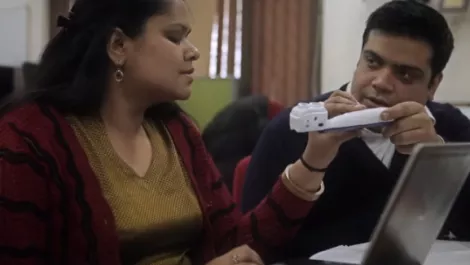
Revolutionary 'SmartCane' device empowers the visually impaired by detecting obstacles over 3m away, boosting independence.
TruScreen, which develops a cervical cancer screening system, plans to join the small-cap NZX Alternative Market next week in a compliance listing.