

Alibaba Cloud powers AI-first tech shift at Olympics
Sat, 28th Feb 2026
Alibaba Cloud has expanded its role in the Olympic technology programme for the Milano Cortina Winter Games, with organisers and broadcasters using cloud-based production tools and large language models for operations and content workflows.
Alibaba Group is a Worldwide TOP Partner of the International Olympic Committee. Through Alibaba Cloud, it worked with the IOC and the local organising committee on systems for energy monitoring, transport optimisation, broadcast production and information management.
International Olympic Committee President Kirsty Coventry said the deployment continues a pattern of innovation at each edition of the Games. "Every Olympic Games leaves its own mark in terms of technological innovation. With Alibaba's Cloud technologies and Qwen models, these Games have set a new benchmark for intelligence and creativity," Coventry said.
Broadcast operations
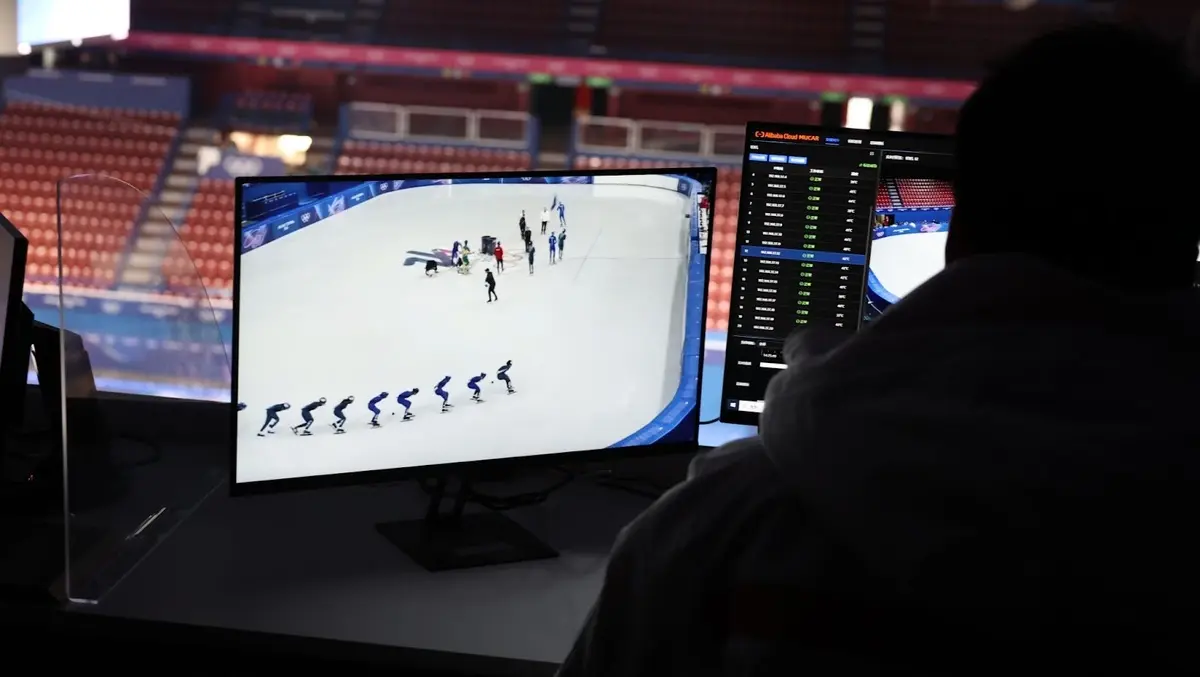
A central part of the rollout was the OBS Live Cloud Platform, used to produce and distribute live content. It carried 442 live video feeds and served 42 broadcasters worldwide, according to Alibaba Cloud.
The cloud-based approach replaced traditional satellite distribution and connected with production workflows that increasingly rely on remote access to content and tools rather than on-site infrastructure.
The International Broadcasting Centre in Milano Cortina was smaller than at recent Winter Games. Organisers reported a 25% reduction in size compared with Beijing 2022 and a 30% reduction compared with Pyeongchang 2018, linking the change to cloud broadcasting and a smaller physical footprint for parts of the broadcast chain.
Highlights and metadata
Alongside live distribution, broadcasters and media rights holders used AI tools for highlights and descriptions. Alibaba Cloud said its Real-Time 360o Replay systems produced 4,198 video highlights during the Games and made them available to rights holders.
It also deployed an Automatic Media Description System using its Qwen models, which processed livestream signals from 391 competition sessions during the event, Alibaba Cloud said.
The tools were intended to speed up production workflows and improve the availability of clips and descriptions across multiple sports. They also formed part of a broader push by the IOC and Olympic Broadcasting Services to modernise live production and post-production processes.
LLM rollout
Milano Cortina marked the first use of large language model technology within the Olympic environment, Alibaba Cloud said, with Qwen models integrated into several platforms used by different stakeholder groups.
These included an Olympic AI Assistant, an NOC AI Assistant for National Olympic Committees, and a Sports AI Platform. Alibaba Cloud said the services supported multilingual interactions, content search and media management.
Dr Feifei Li, Senior Vice President of Alibaba Cloud Intelligence Group and President of International Business, called the use of Qwen models a milestone for the Olympic technology programme. "Milano Cortina 2026 marks a milestone with the first use of LLM technologies in the Olympic history powered by Alibaba's Qwen models. Our cloud and AI-powered systems that supported Milano Cortina 2026 demonstrate our dedication to enabling smarter operations, deeper engagement, and new possibilities for the Olympic Movement," Li said.
Operations focus
Beyond media, Alibaba Cloud said its systems were used to monitor and manage energy consumption and optimise transportation across the Games footprint. It did not provide figures on energy savings, transport performance or the level of deployment across venues and fleets.
The Milano Cortina implementation sits within the IOC's broader agenda to use cloud services and data platforms across successive editions. It also reflects a wider shift in sports and entertainment towards cloud-first distribution, which can reduce reliance on fixed on-site infrastructure and move workloads to remote production environments.
Alibaba Group has held its IOC partnership since 2017, covering cloud services and digital platforms used by organisers, broadcasters, athletes and fans. Coventry said the next phase is expected to continue through future Olympic events, with cloud-based production and AI tools remaining part of planning for subsequent Games.