

dLocal report reveals payment trends shaping emerging markets
Fri, 11th Jul 2025
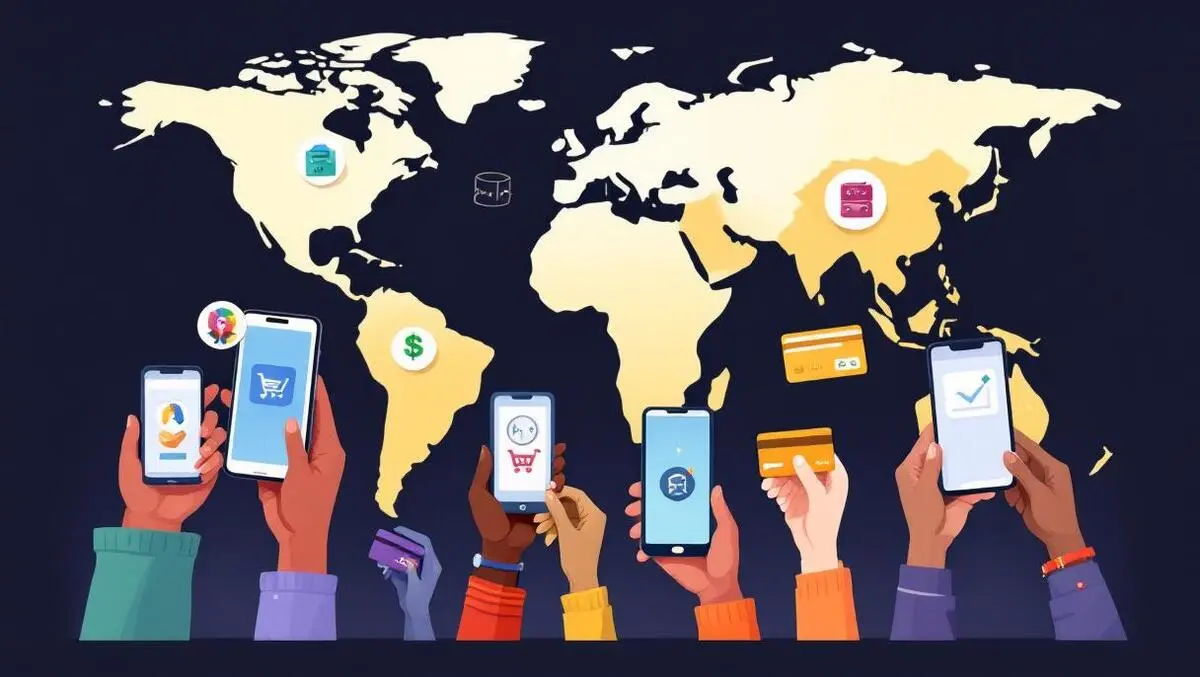
dLocal has published its 2025 Emerging Markets Payments Handbook, providing businesses with an in-depth examination of payment trends and consumer behaviours across Africa, Asia, the Middle East, and Latin America.
The handbook includes analysis of alternative payment methods (APMs), regulatory updates and evolving consumer practices, highlighting opportunities and challenges for companies expanding into these regions. According to dLocal, emerging markets are projected to account for 65% of global growth by 2035, reflecting a significant shift in global commerce towards the Global South.
Regional breakdown
The report outlines regional payment preferences and key shifts in payments infrastructure. In Latin America, Brazil's Pix system now processes over 50% of eCommerce payments in the country, reducing dependence on traditional payment rails and facilitating transactions that are both faster and lower in cost.
In Asia, India's Unified Payments Interface (UPI) supports more than half of the country's online purchases. The report notes that 60% of these transactions originate from smaller cities and towns, many of which were previously underbanked, indicating a broadening adoption of digital payments beyond major urban centres.
For the Middle East and Africa, dLocal points to Egypt as an example of changing consumer behaviour. Eighty percent of eCommerce in Egypt now relies on local APMs like Fawry or cash on delivery, a statistic that suggests a bottom-up transformation in how consumers approach digital commerce. The rise of mobile money in East and West Africa, as well as the growing prominence of real-time payments in Latin America, are further evidence of a shifting payments landscape, with the report projecting Latin America to see the world's fastest growth in real-time payments by 2027 at a compound annual growth rate of 29%.
Alternative payment methods
dLocal's analysis underlines how APMs - such as eWallets, real-time payments, buy now pay later (BNPL) schemes, cash, and bank transfers - are becoming mainstream options, not just alternatives. In the Asia-Pacific region, eWallets now account for 70% of eCommerce payments.
The report also discusses strategic factors at a market and demographic level. In Nigeria, for example, a fast-growing and youthful population is changing the profile of both consumers and payment modes, while in Pakistan, a large section of the population remains unbanked despite significant digital demand. The Brazilian market is cited for its transformation through real-time payments, and regulatory environments in various regions are evolving to support further innovation and financial inclusion.
CEO perspective
"The most significant growth story in global commerce isn't unfolding in traditional centres; it's taking shape in the dynamic, fast-growing economies of the Global South," said Pedro Arnt, CEO of dLocal. "With 85% of the global population residing in emerging markets and their middle class projected to double by 2034, the opportunities are immense. However, these markets are incredibly diverse and fragmented, with digital demand rising fast and a diverse array of local payment methods rewriting the rules of engagement. This Handbook is designed to help businesses navigate this intricate landscape and truly unlock the future of payments."
The handbook also highlights the importance of understanding regulatory contexts, which continue to adapt to support rapid digitisation and payment innovation. According to dLocal, these environments are increasingly proactive, aiming to improve access to digital financial services and streamline cross-border transactions in regions with evolving payment preferences.
The 2025 Emerging Markets Payments Handbook offers a combination of data analysis and practical guidance based on local market realities, seeking to equip international businesses with the knowledge needed to address consumer expectations and regulatory needs in rapidly changing regions.