


Technology will reshape supply chain operations in 2026, with increased automation, advanced artificial intelligence (AI), and new approaches to sustainability forecast to drive major changes. Middlebank Consulting Group has identified eight trends expected to be central for supply chain leaders as they navigate changing trade flows, unpredictable demand, and shifting customer expectations.
AI decision-making
AI is playing a broader operational role in supply chains, with autonomous systems able to make real-time decisions such as adjusting delivery routes and identifying bottlenecks. Companies are encouraged to closely monitor AI outputs and combine automated insights with hands-on experience to prevent errors and ensure robust decision-making.
"Supply chain teams are facing one of the most unpredictable periods in recent years. Trade flows are shifting, new technologies are emerging, and customers expect faster, more transparent service. Companies that thrive won't just react, they will experiment, adapt, and sometimes learn the hard way when assumptions don't hold," said Alan Win, Founder and CEO, Middlebank Consulting Group.
Warehouse automation
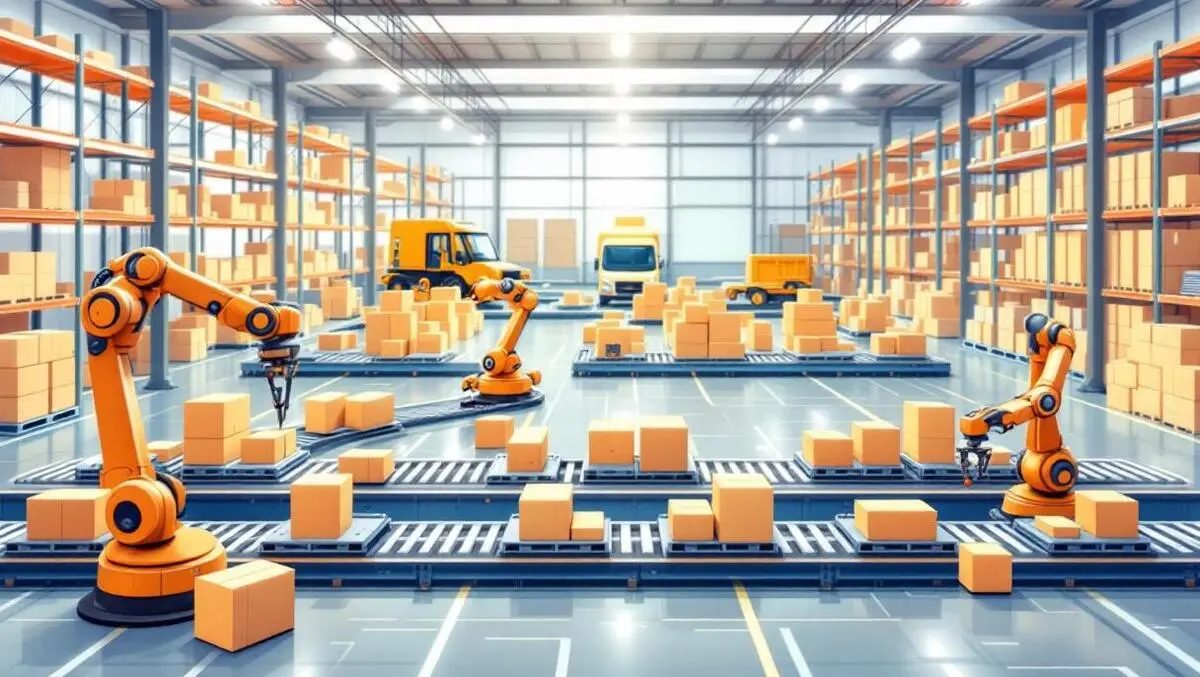
Warehouses are evolving through the integration of digital twins and robotics. Digital twins allow organisations to model process changes virtually before implementing them on the ground. Autonomous robots are handling routine tasks, but human oversight remains vital to spot gaps and test new approaches. This combination is anticipated to bring greater accuracy and cut errors.
Logistics partnerships
Selecting logistics partners is becoming more critical as supply chain complexity grows. The consultancy expects successful partnerships to depend on transparent communication and a demonstrated ability to adapt under pressure, instead of just price or technology capabilities.
E-commerce efficiency
E-commerce businesses are likely to benefit from subtle process changes, according to the consultancy's assessment. Adjusting packaging sizes or optimising item picking workflows can influence both customer experience and operational costs. These improvements are expected to help balance speed, reliability, and profitability.
Flexible sourcing
Supply chain disruption remains a risk. Dual sourcing, nearshoring, and modular supply chains are viewed as necessary to reduce vulnerability to external shocks. Firms prioritising adaptability and ongoing review of their operations are predicted to maintain client trust and continue business with minimal interruptions.
Sustainable supply chains
Sustainability has become a central performance driver. Organisations are taking multiple steps to reduce emissions, minimise packaging waste, and decrease energy consumption. The adoption of energy-efficient facilities, greener packaging methods, and smarter routing are amongst the simple steps cited as having a cumulative impact on both sustainability and cost control.
Workforce enablement
The rise of AI and automation is leading to a shift in workforce focus away from repetitive work and towards problem-solving, decision-making, and collaborative process improvement. By using technology as a supporting tool, businesses report higher engagement and faster operational responses.
Delivery optimisation
Transport and last-mile delivery is being transformed by dynamic routing and real-time tracking. The consultancy emphasises that human involvement remains essential to handle unexpected issues and optimise delivery performance in complex scenarios. This balance is expected to enhance customer satisfaction and reduce delivery delays.
"Technology provides a competitive edge, but its value depends on people who know how to use it. In 2026, supply chains that blend AI, automation, adaptable teams, and strong partnerships are most likely to succeed. Those willing to experiment, learn from missteps, and adjust in real time will not only react to change but they will shape the future of the industry," said Win.