


Hyundai Motor Group Innovation Centre Singapore and Hyundai CRADLE Singapore have concluded the fifth edition of their annual youth hackathon in Singapore, which drew its largest student cohort so far.
The finale at Temasek Shophouse brought together 91 students in 25 teams from nine local and international schools. This year's theme was climate adaptation, with students asked to develop ideas focused on community heat resilience and smart mobility during climate hazards.
The initiative was held in conjunction with the Ministry of Sustainability and the Environment's Go Green SG campaign, in partnership with Temasek Foundation and with support from the National University of Singapore. It is part of Hyundai's broader education and community programme in Singapore, through which it engages students aged 14 to 23 in practical design and engineering challenges.
Over two months, participants tackled two problem statements. The first asked teams to rethink multi-purpose community spaces so they could meet everyday public needs while also serving as heat adaptation measures. The second called for car-based ideas that would turn vehicles into mobile safe spaces during extreme heat, flooding and poor air quality episodes.
Mentors from Hyundai Motor Group Innovation Centre Singapore and the National University of Singapore guided the teams throughout the process. The programme also included learning visits to Hyundai's Singapore innovation centre, Gardens by the Bay and the National Environment Agency's Centre for Climate Research Singapore.
The event comes amid a broader policy focus on climate adaptation in Singapore and was intended to support public discussion on resilience measures for communities, infrastructure and daily life as climate risks grow.
Winning teams
Judges assessed entries on relevance and alignment, feasibility and practicality, innovation and creativity, and impact and benefit. Seven teams received awards, including four top placements across the two challenge tracks and three special awards.
In the community spaces category, Team HeatSync from the Institute of Technical Education College Central took first place, while Team Ephemeral from River Valley High School placed second. In the smart mobility category, Team Licence to Chill from German European School Singapore won first place and Team WD-40 from the School of Science and Technology finished second.
Three more teams received special recognition. Team EcoLink from United World Colleges East won the Most Innovative award, Team Coolth from United World Colleges East received Best User Experience, and Team BLSparkler from Boon Lay Secondary School was named Most Feasible.
Prizes included vouchers, certificates of achievement and Hyundai IONIQ 5 die-cast models. The judging focused on whether ideas could address real climate-related problems in practical ways rather than remain abstract concepts.
This year's competition marks a step up for a programme that began in 2022. Since its launch, more than 330 students have taken part, according to the organisers, making the hackathon one of Hyundai's more visible youth outreach efforts in Singapore.
The event also reflects a broader relationship between Hyundai Motor Group Innovation Centre Singapore and Temasek Foundation. That partnership was formalised through a memorandum of understanding signed in 2025 and is intended to support youth development initiatives.
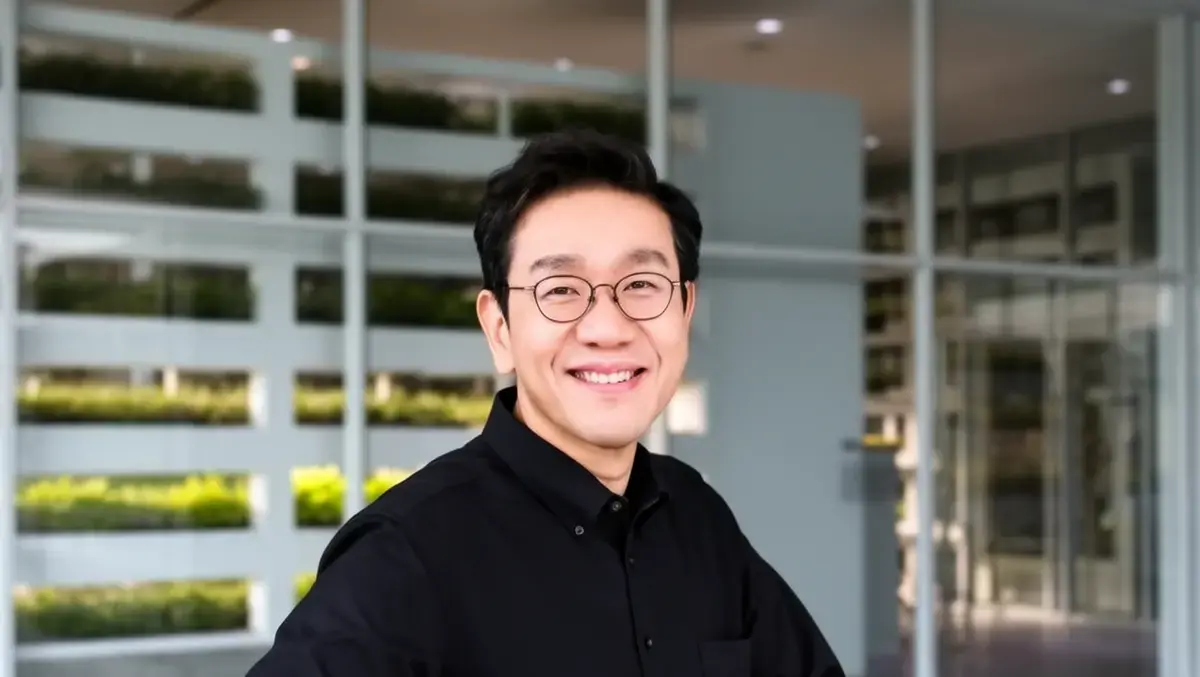
Chief Executive Officer Dr Park Hyun Sung outlined Hyundai's position on the programme. "HMGICS is committed to growing alongside Singapore by empowering and nurturing future-ready youths through education, hands-on innovation and talent development under our annual CSR Hackathon programme. Through our partnership with MSE, Temasek Foundation and NUS, we hope to inspire young people to turn climate challenges into meaningful solutions that can benefit communities and support Singapore's climate resilience journey in the years to come," Dr Park said.
Temasek Foundation framed the challenge in broader social terms. "Adapting to climate change is one of our generation's biggest challenges, and it is the youth who will shape tomorrow's solutions. Together with HMGICS and like-minded partners, Temasek Foundation is happy to support the Go Green Hackathon - uniting students, public agencies, researchers, and industry to spark bold ideas and collective action, and empowering young leaders to take charge of our shared future," Woon said.
The organisers said the hackathon was designed not only to test ideas but also to help students turn climate concerns into projects with potential applications in urban design and mobility. By focusing on heat resilience and emergency uses for vehicles, the competition pushed participants towards near-term public safety and adaptation challenges rather than long-range environmental targets.
That emphasis on adaptation is becoming more prominent in Singapore as policymakers look beyond emissions reduction alone. Student work on cooling spaces, temporary shelter and vehicle-based protection points to the kind of localised responses that may draw more attention as cities prepare for more frequent and intense heat and weather-related disruption.
Across the programme's five editions, organisers have steadily widened participation across schools and age groups. This year's turnout of 91 students from nine institutions was the largest so far.