

PepsiCo revamps APAC Greenhouse for startup rollouts
Thu, 23rd Apr 2026
PepsiCo has launched the 2026 edition of its APAC Greenhouse Program, with a new format focused on integrating selected startup products into its supply chain.
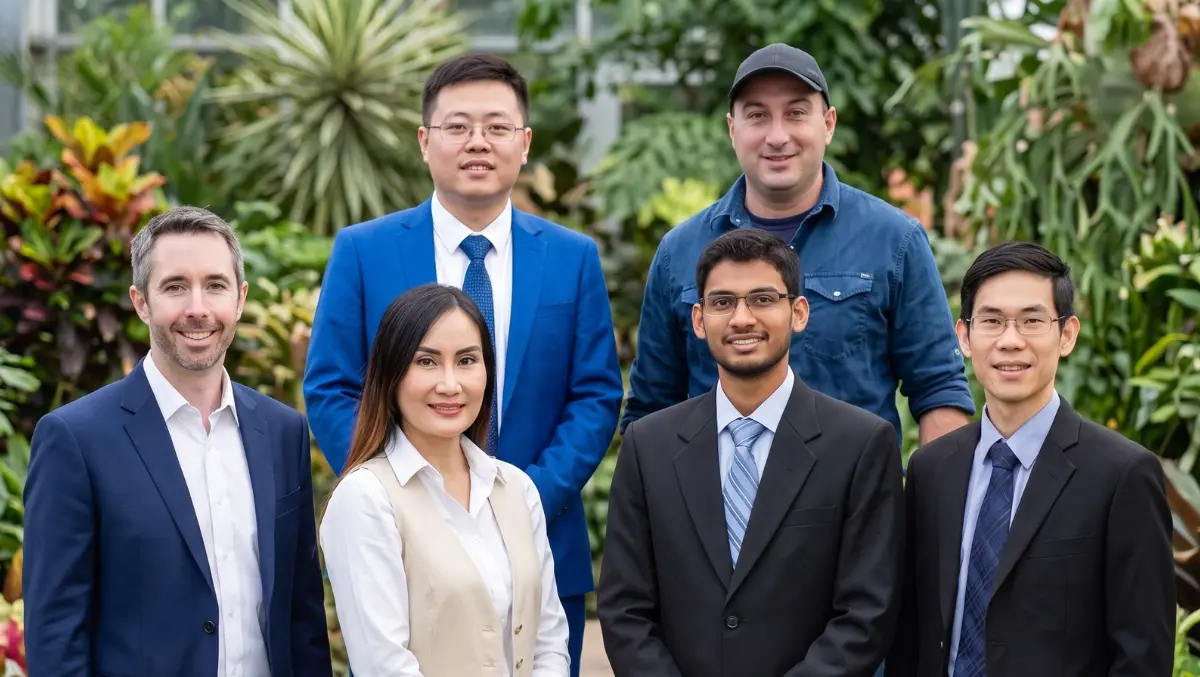
The seven-month programme brings together five alumni from earlier APAC Greenhouse cohorts, including Sydney-based Adiona and X-Centric. The revised model aims to move startups beyond pilot projects and towards commercial agreements and operational use across the business.
The change marks a new phase for the regional initiative, now in its fourth year. To date, the programme has produced more than 22 pilots involving more than 30 startups across Asia-Pacific. The latest edition will focus on a smaller group that has already shown traction within PepsiCo's operations.
Under what PepsiCo calls an IMPACT Framework, teams from sustainability, supply chain, procurement, research and development, and operations will be involved earlier in the process. The structure is designed to align business priorities, technical fit and commercial pathways from the outset, rather than after pilot testing begins.
The framework sits alongside PepsiCo's broader pep+ strategy, which links business goals with work on agriculture, climate and circularity. Startups were assessed on their alignment with those priorities, their readiness for commercialisation, the measurable impact of their products and their ability to integrate into PepsiCo's supply chain.
Among the Australian participants, Adiona has worked with PepsiCo since 2023. The startup develops logistics software that uses artificial intelligence to improve route planning and fleet efficiency. Early deployments have reduced fleet distance travelled by 19%.
X-Centric joined PepsiCo's startup programme in 2024. Its digital soil analytics system is designed to measure soil health more precisely and help farmers adjust inputs. PepsiCo says the technology could support its regenerative agriculture efforts and help reduce Scope 3 emissions.
The wider cohort also includes Bali Waste Cycle from Indonesia, Beijing AIForce Tech from China and Takachar from Thailand. Their products cover low-value plastics recovery, electric farm machinery and mobile systems that convert crop residues into biochar.
Partner network
PepsiCo has also expanded the network of external organisations linked to the programme. New and returning partners span venture capital, agricultural networks and innovation groups, including Artesian, AgFunder Asia, SAIL at Nanyang Technological University Singapore, AgriFutures growAG, Circulate Capital, GC Ventures and CM Venture Capital.
These organisations will support project development, help startups access markets and, in some cases, examine investment opportunities as projects mature. The partner structure reflects a broader effort by large companies to give startup collaborations a clearer path from testing to procurement and rollout.
Corporate innovation programmes have often struggled to turn pilots into long-term operating relationships. PepsiCo's shift suggests it is trying to close that gap by concentrating resources on a smaller number of suppliers that have already completed early validation and can now be assessed for deployment at scale.
The move also reflects broader pressure on consumer goods groups to strengthen supply chain resilience while cutting emissions linked to transport, farming and materials handling. In that context, PepsiCo is using the APAC programme to identify tools that could reduce waste, improve logistics efficiency and provide better agricultural data across supplier networks.
Anne Tse, Chief Executive Officer, Asia Pacific, PepsiCo, outlined the rationale for the change in approach.
"In Asia Pacific, the next wave of competitive advantage will come from how quickly we can turn practical innovation into scaled commercial outcomes. Our priority is to focus on solutions that strengthen resilience in our value chain, accelerate execution in the market, and advance pep+ in ways that are measurable for both our business and our partners. This edition reflects a deliberate shift from exploring ideas broadly to backing the solutions most capable of creating strategic advantage across the region," said Tse.