

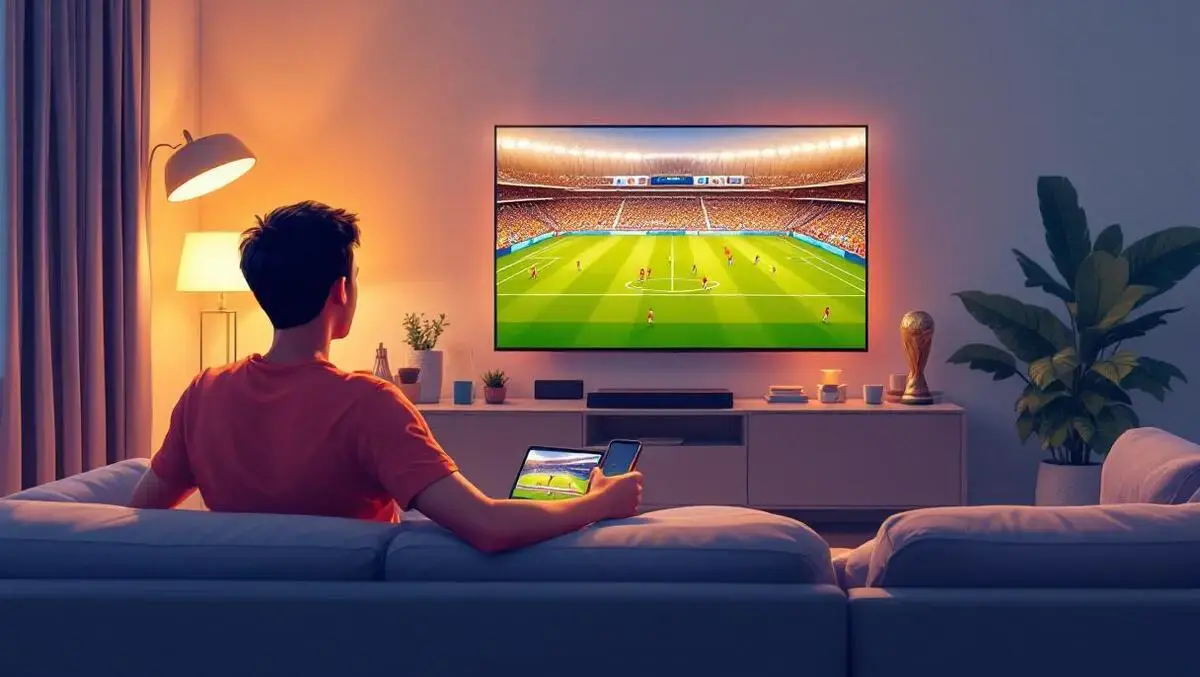
Singapore World Cup viewing shifts to more screens
Fri, 8th May 2026
Nexxen has published research on how audiences in Singapore are expected to watch the 2026 FIFA World Cup, pointing to viewing spread across more screens and times of day.
The findings draw on historical viewing trends, current analysis and a survey of more than 1,000 adults in Singapore who intend to watch the tournament. They are intended to help advertisers plan media buying as football viewing shifts away from a single-screen pattern.
Among the headline findings, 87% of surveyed viewers said they would continue watching even if their team is eliminated, suggesting interest in the competition may remain steady beyond the progress of any one side.
Another shift appears in the balance between traditional television and streaming. Viewing on over-the-top services and connected television has risen 27% since the previous tournament in 2022, indicating that more football viewers in Singapore are turning to streamed access on internet-connected devices.
Screen shift
The data also points to clear differences by time of day. During working hours, mobile phones and laptops account for the largest share of viewing at 53%. In the evening, television becomes the main screen, with 84% of viewing, and weekends show a similar pattern, with TV leading at 85%.
That mix suggests advertisers may need different formats and placements depending on when fans are watching. Daytime audiences appear more likely to follow matches or related content on personal devices, while home viewing on larger screens remains dominant later in the day and at weekends.
Singapore's football audience has long been significant for broadcasters and marketers, but the report argues that reach alone no longer gives the full picture. Audience behaviour is fragmenting across connected TV, mobile devices and laptops, creating a more varied media environment around major live sport.
Nexxen linked those findings to its advertising products, including its demand-side platform, supply-side platform and data tools. It also highlighted access to placements on smart TV home screens, where advertisers can appear as viewers browse for content before a match or after coverage ends.
Advertising focus
For agencies and brands, the implication is that football audiences may still be large but are less concentrated in one place. A campaign aimed only at linear television could miss viewers checking scores, clips or live streams on other devices during the day, while an approach focused only on mobile could overlook the importance of evening and weekend TV viewing.
The Singapore study follows similar audience reports by Nexxen in the United States and the United Kingdom. Together, they support the company's argument that major global sports events are increasingly watched across both platforms and dayparts, even where enthusiasm for the tournament remains strong.
The research combines data from Nexxen Discovery, described by the company as a planning and insights tool that tracks audience behaviour across screens, with survey responses and historical viewing analysis. The methodology is intended to give advertisers a directional view of where audiences are likely to be during the tournament, rather than a measure of live tournament ratings.
Nexxen is headquartered in Israel and operates across North America, Europe and Asia-Pacific. Its Singapore findings show mobile and laptop viewing leading during work hours at 53%, while television leads in the evening at 84% and on weekends at 85%.