

Lightspeed launches AI inventory tool for retailers
Wed, 25th Mar 2026%201.webp)
Lightspeed has launched an AI-based inventory receiving tool for retailers inside Lightspeed Retail.
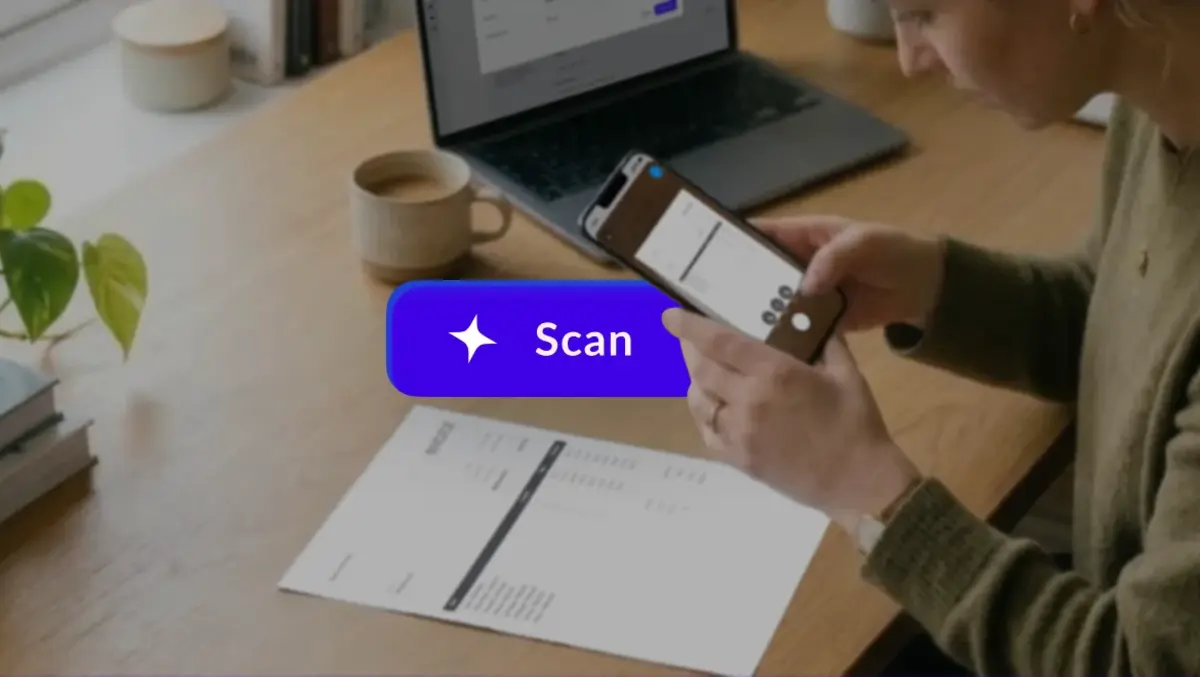
The tool uses optical character recognition to read supplier packing slips and invoices and convert them into draft purchase orders in the point-of-sale system. Staff can scan or upload documents, and the software extracts details such as SKUs, quantities, prices and product variants for review before approval.
Inventory receiving is still often handled manually in stores, with employees typing line items from paper documents into till systems or reconciling spreadsheets across systems. That process can create duplicate product records, mismatched SKUs, pricing errors and inaccurate stock counts, all of which can affect availability and sales.
The new workflow is intended to replace line-by-line entry with a scan-and-review process. For retailers handling deliveries with many items, it is designed to cut receiving time and reduce data-entry errors before stock is finalised in the system.
How it works
Once a document is scanned, the system extracts structured product data and maps it to the relevant fields in the retailer's catalogue. It then matches incoming information against existing catalogue records to validate entries and limit duplication.
Retailers can adjust quantities or pricing before approval and export data to CSV for bulk edits. The feature is built into Lightspeed Retail and the Lightspeed Scanner app, allowing staff to access it from a scanner, tablet or desktop without adding third-party software.
The aim is to let staff receive stock from the stockroom or shop floor within the same system they already use for daily operations. That native approach may appeal to smaller retailers looking to avoid extra integration work or multiple software tools for purchasing and stock control.
"Receiving inventory has historically been a time-consuming and error-prone task for retailers," said Dax Dasilva, Founder and Chief Executive Officer of Lightspeed.
"Instead of spending hours typing in line items, merchants can now use the power of AI to automate the process, reduce costly mistakes and focus more time on serving customers and growing their business," Dasilva said.
Retail focus
The launch adds to a broader push by retail software suppliers to apply AI to routine operational tasks rather than customer-facing chat tools alone. Inventory accuracy remains a central issue for merchants, particularly those operating across physical shops and online channels, because stock discrepancies can lead to missed sales, fulfilment problems and extra labour costs.
Receiving is one of the hardest stages to standardise because the underlying documents often arrive in different formats from different suppliers. Packing slips and invoices can vary widely in layout, naming conventions and level of detail, making automated extraction harder than processing a single standard form.
By applying OCR and AI-based data extraction, Lightspeed is targeting a part of retail administration that has long depended on staff time. The software reads supplier documents and converts them into structured records inside the POS, reducing the need for workers to enter product information manually.
Lightspeed serves retail, hospitality and golf businesses in more than 100 countries, and the company supports about 165,000 customer locations worldwide.
Availability
The AI OCR tool is available in beta for selected customers. Wider access is planned for spring 2026.
The release highlights how software providers are tying AI features directly to existing workflows inside core business systems rather than offering them as separate products. In this case, the immediate test will be whether retailers trust automated document reading enough to use it in a process where even small errors in SKU, price or quantity data can quickly affect stock records and sales.