

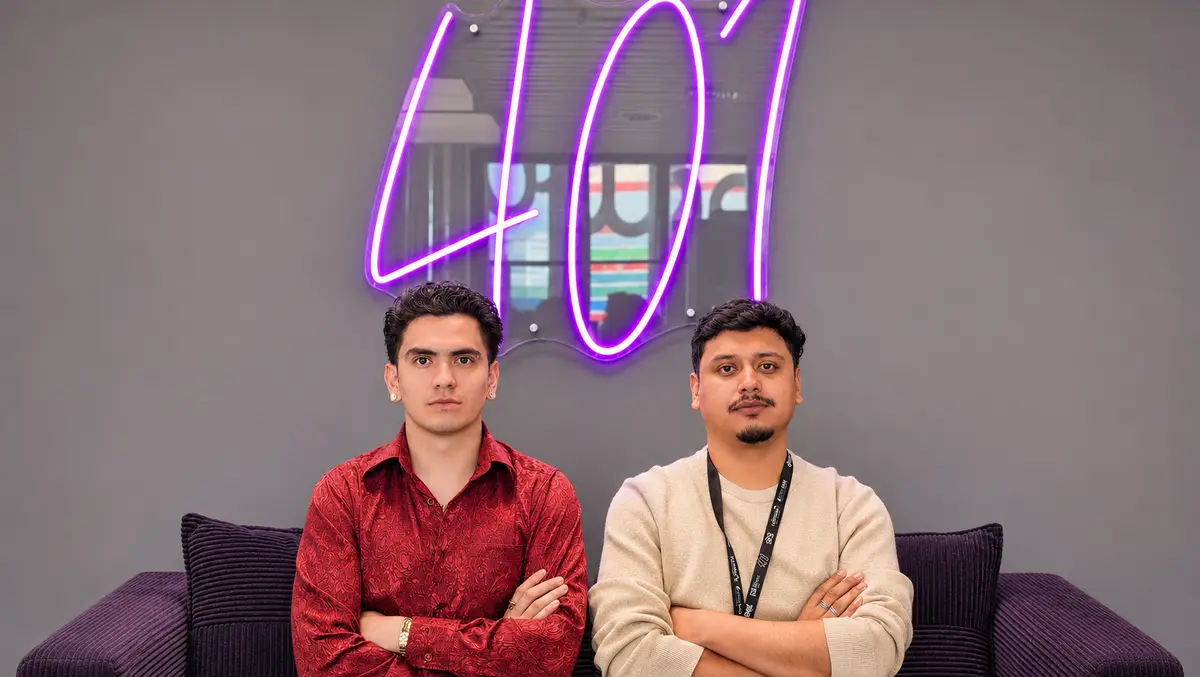

Uni-ke has established early partnerships with runway organizations as it develops its fashion technology platform. These relationships connect the company with events in markets including Los Angeles, Hong Kong, Paris and Cannes. Uni-ke is also working to expand its network of runway partners in other fashion markets, including New York and Tokyo
It is building a platform that links runway show administration with digital storefronts, direct sales and wholesale activity. The aim is to address a longstanding gap for independent fashion brands after a collection appears on the runway, when potential customers and retail buyers still need a clear route to products, stock information and the designer behind them.
At the centre of the model is a show-specific digital storefront tied to a runway event. Audiences can use it to explore participating designers and their collections, while organisers can keep items visible after the event rather than limiting exposure to the presentation itself.
The partnerships with Lumiere Runway and ITS Reich'Art give Uni-ke early commercial relationships as it develops the system. Lumiere Runway currently lists Uni-ke as its fashion platform partner on its official upcoming events page, according to the company.
Operational link
For organisers, Uni-ke combines several back-office functions in one system, including designer applications, placements, event and contact management, invoicing, ticketing and attendee check-in. The goal is to give teams running shows a single view of participants and event administration.
The company has also introduced an AI runway agent for those workflows. The current preview can prepare show briefs, support application reviews, examine billing and assess attendee or liveCommerce readiness, while organisers remain responsible for approvals and operational changes.
Its use of AI is focused on drafting and recommendations based on records available to the organiser's account. That positions the software less as an automated decision-maker and more as an assistant within an event management process often spread across separate systems and manual communication.
Shopping route
Uni-ke is also developing a YouTube-based live-shopping format intended to connect runway video with featured products. Under that setup, viewers could use links or QR codes to reach online collections during a live presentation, whether attending in person or watching remotely.
The configuration would vary by event, reflecting how fashion shows are staged and the practical difficulty of turning audience interest into a transaction unless a garment shown on screen can be quickly matched to a digital listing with product details and availability.
For designers, the platform is intended to extend beyond a single event and support both direct-to-consumer and business-to-business activity. Product catalogues, inventory tools and digital linesheets are among the workflows being built to support longer-term relationships with customers and retail buyers.
This matters because consumer and wholesale journeys tend to diverge soon after the same runway show. An individual shopper may want a simple purchase path, while a retailer may need collection information, order terms and a direct line to the brand for a wholesale discussion.
Commercial terms
Uni-ke said its partnership model allows organisers and designers to discuss commissions on eligible sales or business opportunities linked to an event. The rate, covered sales, attribution rules and payout arrangements would be defined between the parties rather than set as a universal standard by the platform.
That suggests Uni-ke is trying to position itself not only as a software provider but also as part of the financial plumbing around runway commerce. By linking event visibility to downstream sales discussions, it is seeking to create a structure in which organisers and designers can negotiate how value generated by a show is shared.
Selection for LABIC adds another layer to the company's development. Uni-ke is one of 10 businesses chosen for Minato City's 2026 Liberal Arts for Business Innovators Creation programme, which offers management education, mentoring, networking and publicity support.
The programme's company listing describes Uni-ke's broader goal as connecting brands, consumers, wholesalers and manufacturers through an integrated fashion platform. In practice, the company is applying that idea to a narrower but commercially sensitive part of the market: the period during and after a runway show, when attention is close, but buying routes are often fragmented.
Uni-ke also builds custom systems for major retailers and works with fashion businesses on tailored technology projects. That means its runway product sits alongside a wider software business aimed at different parts of the fashion industry.
Alexis Perez, Co-Founder & Chief Operating Officer at Uni-ke, said the company's focus is on "the relationship between the people arranging the show, the designers presenting collections and the audiences or buyers interested in them."